

WHAT IS EQUINE GASTRIC ULCER SYNDROME (EGUS)?
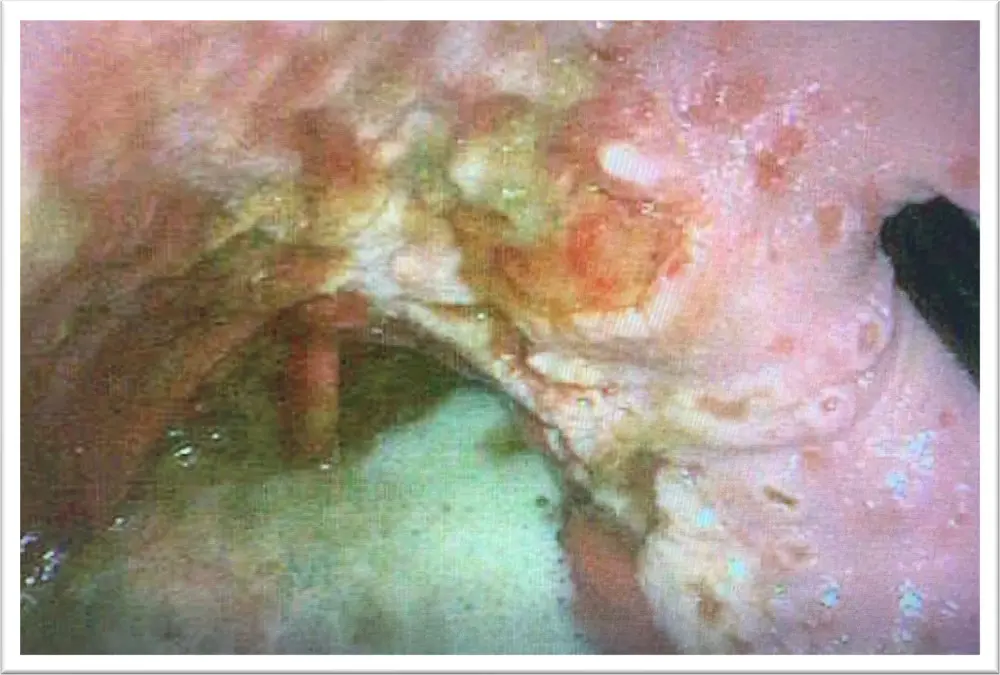
Equine Gastric Ulcer Syndrome is the term used to describe lesions including thickening, ulceration and erosion of the equine stomach lining. It encompasses two distinct disease entities:
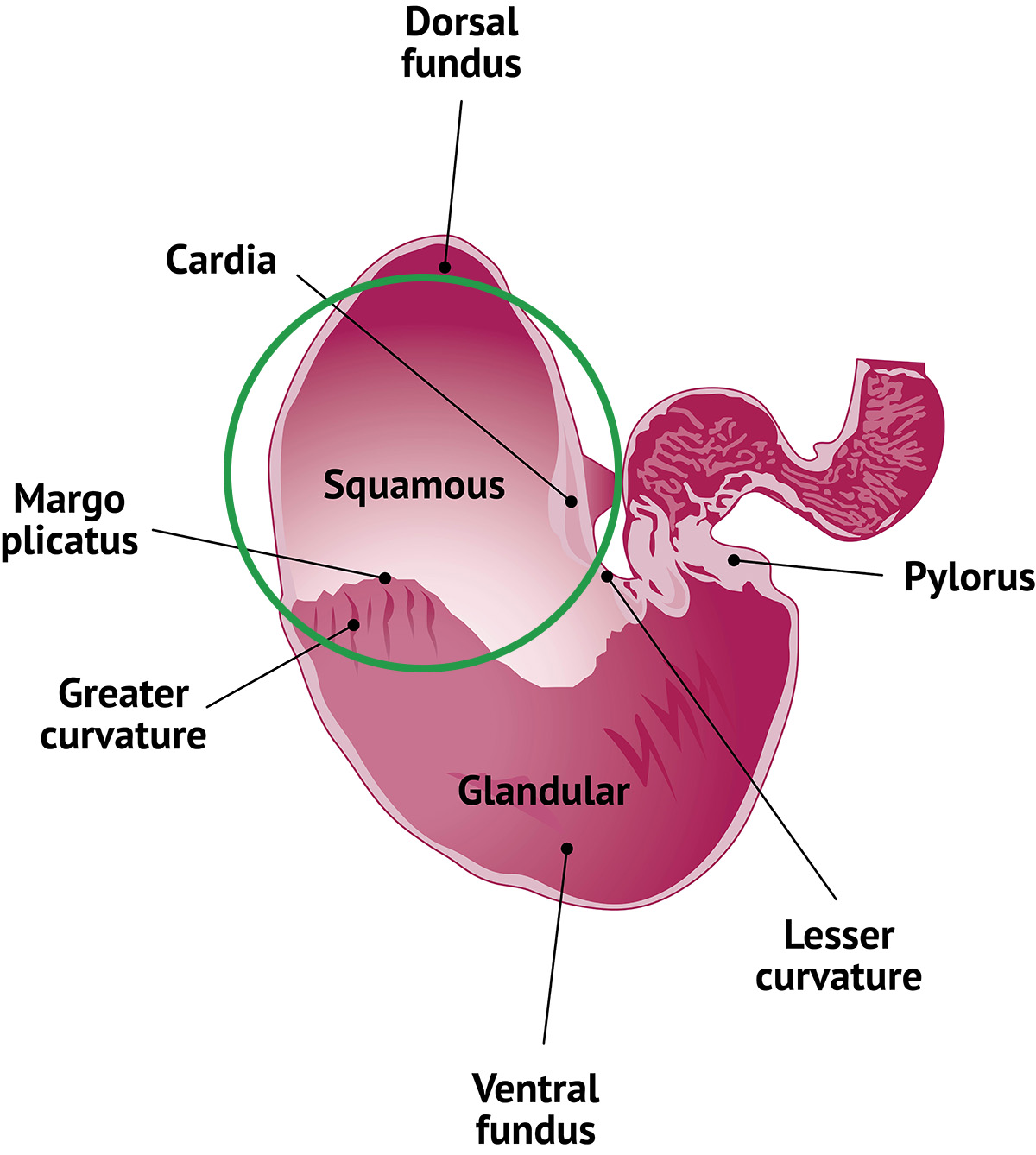
EQUINE SQUAMOUS GASTRIC DISEASE (ESGD)
ESGD affects the squamous region of the stomach. This is the region where food enters the stomach, after transit in the oesophagus, and it does not have any protection against digestive fluids such as hydrochloric acid.
ESGD develops following sustained exposure of the squamous mucosa to hydrochloric acid and may be primary or secondary in nature. Primary disease develops in horses with otherwise normal gastrointestinal tracts and is usually associated with intensive management. Secondary disease develops in horses with pathology which delays gastric emptying.
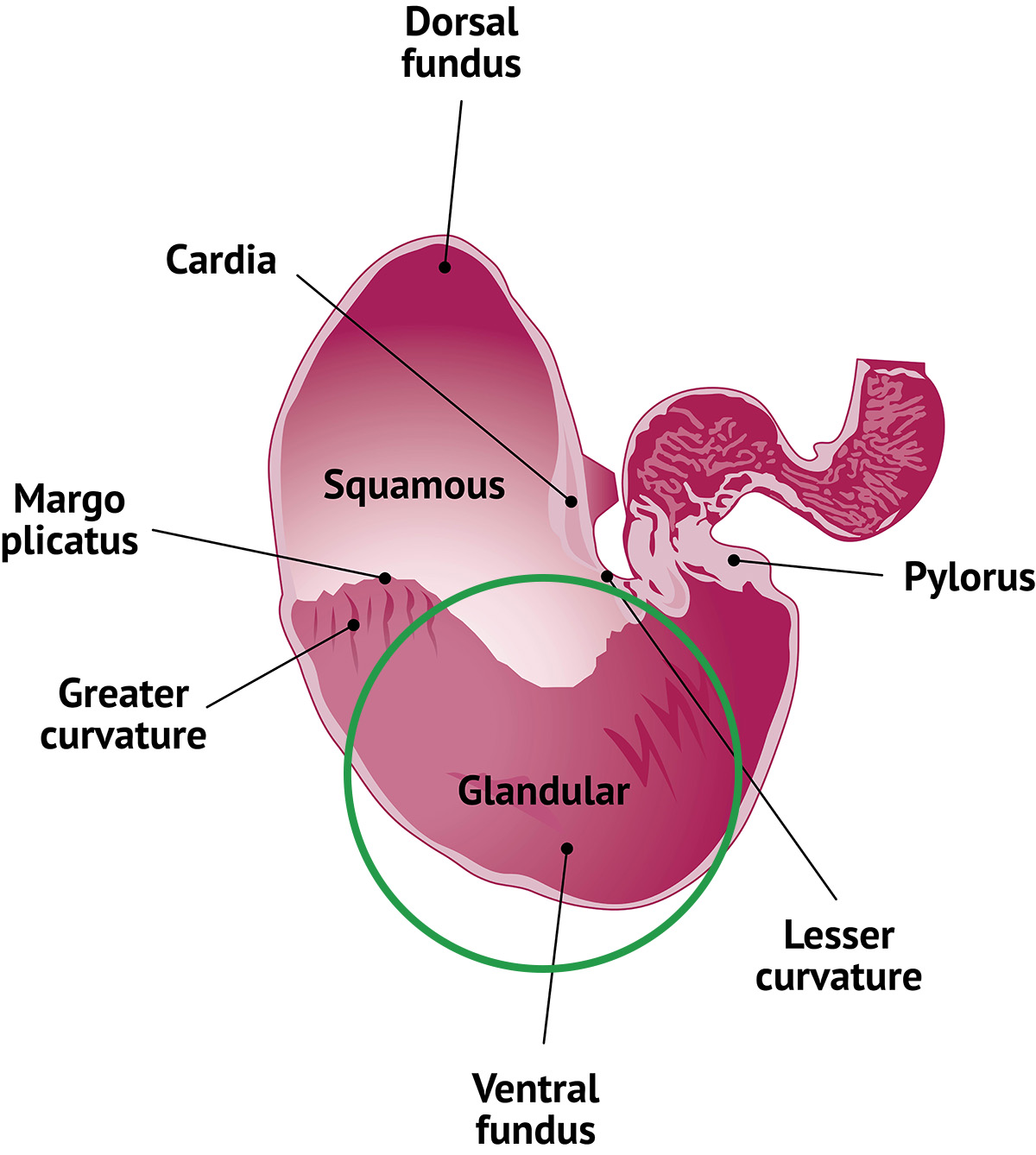
EQUINE GLANDULAR GASTRIC DISEASE (EGGD)
EGGD affects the glandular region of the stomach. This is the area of the stomach where food is exposed to hydrochloric acid. It has natural defenses from acid exposure such as mucus production. EGGD is not as well understood as ESGD. Factors proposed to contribute include the breakdown of mucosal defenses, bacterial colonisation, stress and inflammation. Exercising 5+ days per week has been identified as a risk factor.
CLINICAL SIGNS - ADULTS
- Non-specific / subjective
- Poor appetite, “fussy” eaters
- Poor body condition / weight loss / rough hair coat
- Behavioral changes
- Colic (acute or recurrent)
- Stereotypical behaviors (e.g. cribbing)
- Poor performance
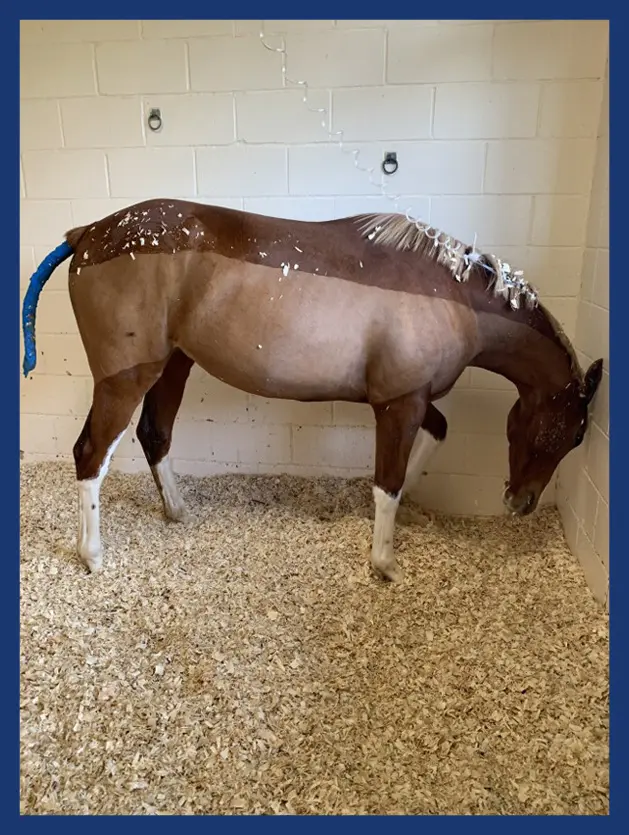
Clinical signs ≠ severity of lesions
CLINICAL SIGNS - FOALS
- Most common in older weanling foals
- Non-specific / subjective
- Ptyalism, bruxism
- Poor body condition / weight loss
- Colic

More likely to develop severe disease
- Full thickness perforation of ulcers
- Gastric outflow obstruction due to strictures
INVESTIGATION
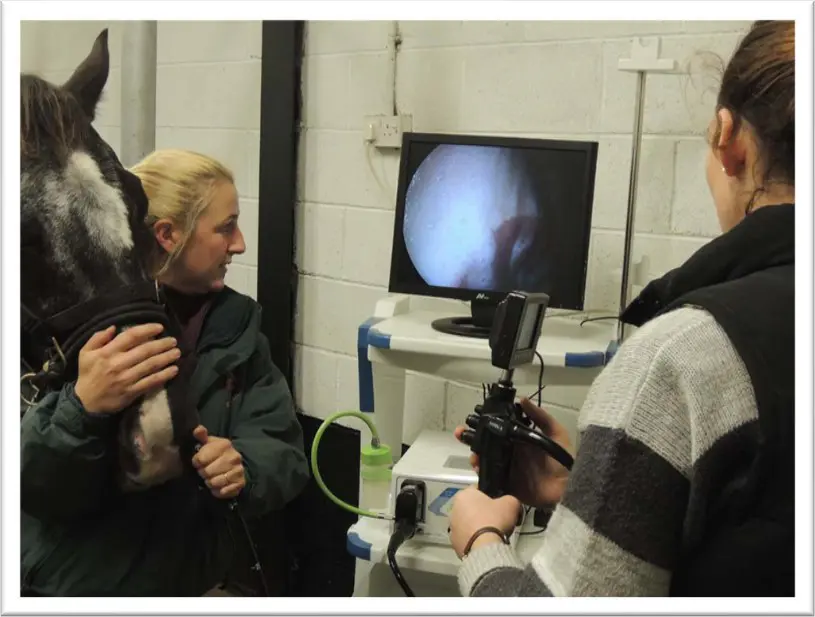
GASTROPIC EXAMINATION
- No reliable haematology or biochemistry findings at this time
- New research suggests blood markers may be present
- New Dx Tests may come in near future
- No direct association with fecal albumin or haemoglobin
- Empirical treatment
POSITIVE DIAGNOSIS
EQUINE GASTRIC ULCER SYNDROME (EGUS)
How do you manage a positive diagnosis?
- MedicalTreatment
- Medical Prevention
- Nutritional Management
MONITORING
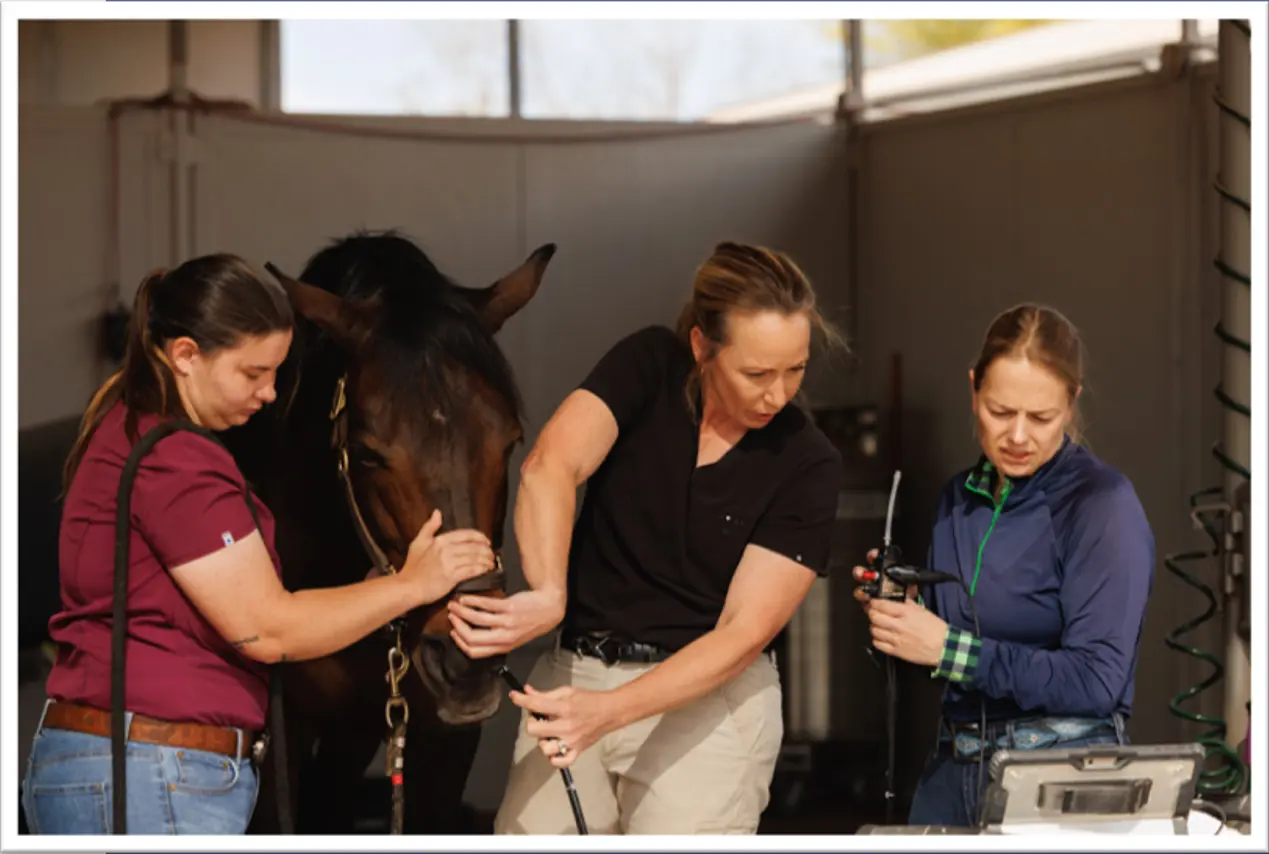
GASTROPIC EXAMINATION
- Repeat gastroscopy before cessation of treatment
- 4 weeks for ESGD
- 6-8 weeks for EGGD
- Monitor clinical signs
IMPORTANT SAFETY INFORMATION:
The safety of GASTROBIM™ paste has not been determined in pregnant or lactating mares.
For use in horses and foals 4 weeks of age and older. Keep out of reach of children. In case of ingestion, contact a physician.
Caution: Federal law restricts this drug to use by or on the order of a licensed veterinarian.